
Bathroom Ventilation and Moisture Control in Coastal San Diego
Protect finishes and indoor air quality with thoughtful ventilation, waterproofing and routine upkeep.
Living near the coast in San Diego brings unique challenges to home maintenance. The salt air and natural humidity levels mean that moisture management becomes a priority for every homeowner. In the bathroom, where steam and water usage are constant, controlling this moisture is essential for protecting your investment.
We see many homeowners struggle with mold or peeling paint because they overlook the science of ventilation. Understanding how to move air and seal surfaces correctly can prevent many common issues. This guide covers the practical steps we take to ensure bathrooms stay dry and functional.
The Importance of Proper Exhaust Ventilation
An exhaust fan is more than just a noise maker in the ceiling. Its primary job is to pull warm, moist air out of the room before it can settle on walls or ceilings. In coastal areas, where the ambient air already holds moisture, a fan that lacks sufficient power can leave the room feeling damp for long periods.
It is important to ensure that your fan vents directly to the outdoors. Some older homes or DIY projects mistakenly vent fans into the attic or crawlspace. This practice traps moisture inside your home structure, which can lead to wood rot and mold growth in areas you cannot see. If you are unsure about your current setup, check with your city's building department regarding venting requirements.
When selecting a fan, consider the size of the room. A fan that is too small will struggle to clear the steam from a hot shower, while a fan that is too large might be unnecessarily loud. We look at the cubic footage of the space to determine the appropriate airflow capacity. This ensures the air is replaced efficiently without wasting energy.
Utilizing Humidity-Sensing Controls
Manual switches are the traditional way to operate a bathroom fan, but they rely entirely on human memory. Many people turn the fan on when they start a shower but forget to turn it off, or they forget to turn it on at all. This inconsistency allows moisture to accumulate and linger in the air.
Humidity-sensing switches offer a more automated approach to moisture control. These devices monitor the moisture levels in the air and activate the fan when a certain threshold is reached. Once the air reaches a dry state, the sensor tells the fan to shut off. This removes the guesswork from the process.
Using these sensors helps maintain a consistent environment in the bathroom. By reacting to the actual conditions in the room, these controls provide a layer of protection against unexpected steam spikes. This is particularly helpful in bathrooms that are used frequently throughout the day.
Related: Bathroom Remodel.
Waterproofing Behind the Tile
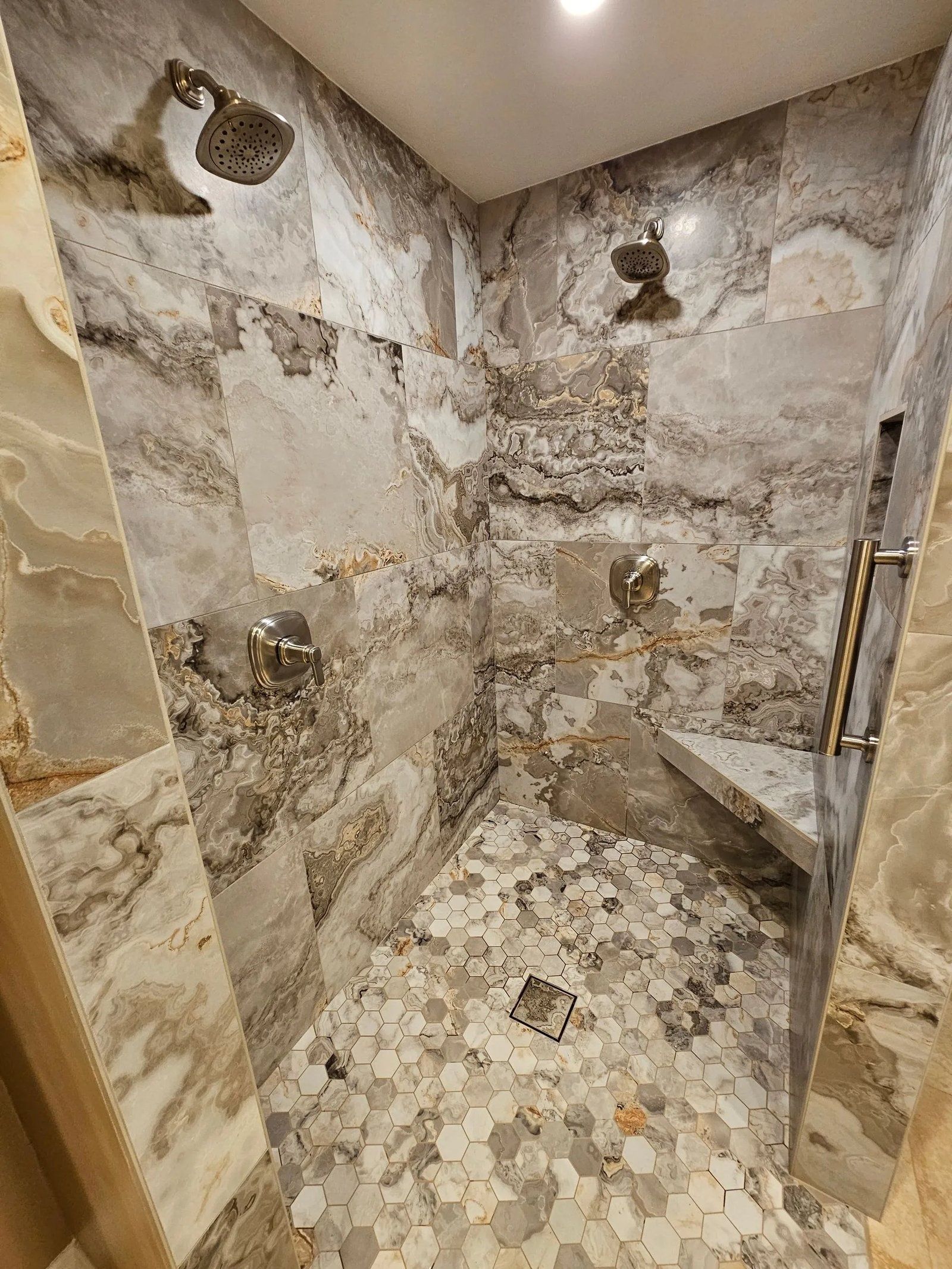
The beauty of a tiled bathroom is often found in the surface, but the real work happens behind the tile. Waterproofing is the foundation of a successful bathroom remodel. Without a proper moisture barrier, water can seep through the grout and reach the wooden studs or the subfloor.
We use specialized membranes and liquid-applied waterproofing products to create a continuous seal. This barrier prevents water from migrating into the wall cavity. It is not enough to simply rely on the tile itself, as tile and grout are porous materials that will eventually allow some moisture to pass through.
Proper installation of these systems is a critical step in any renovation. If you are planning a bathroom update, ensure that the waterproofing layer is applied correctly over the substrate. This creates a shield that protects the structural integrity of your home from the constant presence of water.
Maintaining Grout and Caulk
Grout and caulk are the visible lines of defense in your bathroom. Over time, these materials undergo wear and tear due to temperature changes and water exposure. Grout can become porous or crack, while caulk can pull away from the edges of the tub or sink, creating small gaps.
Regularly inspecting these areas is a practical way to prevent moisture intrusion. If you notice grout that feels soft or caulk that is peeling, it is time for maintenance. Replacing old caulk and resealing grout lines can stop water from getting behind your tile surfaces.
Cleaning these surfaces with appropriate products also helps. Avoid using highly abrasive cleaners that can damage the seal of the grout. Keeping the surfaces clean and intact ensures that the moisture stays on the surface where it can be easily wiped away or evaporated.
Identifying Signs of Hidden Moisture Damage
Sometimes, moisture damage happens in places that are not immediately obvious. You might notice discoloration on the ceiling or bubbling paint on the walls near the shower. These are common indicators that moisture is trapped behind the surface or that ventilation is inadequate.
Another sign to watch for is a persistent musty odor in the bathroom. This smell often indicates that mold or mildew is growing in a dark, damp area like under the vanity or behind the baseboards. If you see dark spots appearing on your drywall, it is a signal to investigate further.
Checking the floor around the base of the toilet or the bathtub is also wise. If the floor feels soft or if the tiles seem to be shifting, there may be water damage to the subfloor. Addressing these signs early can prevent the need for more extensive structural repairs later on.
Frequently Asked Questions
Why is my bathroom fan not working well enough?
The fan might be undersized for the room or the ductwork could be blocked. It is also possible that the fan is venting into an attic instead of the outdoors.
How can I tell if my waterproofing has failed?
Look for signs like bubbling paint, soft spots on the wall, or discoloration in the grout. These often indicate that water is getting behind the tile.
Should I use a humidity sensor in my bathroom?
Humidity sensors are helpful because they automate the ventilation process. They turn the fan on when moisture is detected and off when the air is dry.
How often should I check my caulk and grout?
It is a good idea to inspect these materials during your regular home maintenance routines. Look for cracks, gaps, or signs of softening.
Plan Your Project
Have questions about your home? Call Cali Dream Construction at (858) 434-7166 or send us a message. CSLB License #1054602.
More from our site: Bathroom Remodel, Oceanside, Encinitas.