
Choosing Kitchen Countertops in San Diego: Quartz, Quartzite, Granite or Porcelain
Compare the strengths, care needs and trade-offs of four popular countertop materials.
Choosing the right countertop material is one of the most significant decisions you will make during a kitchen remodel. In our experience working on projects across San Diego County, we see homeowners weigh aesthetics against practical daily use. The climate here, with its dry heat and occasional humidity, can influence how different materials age over time.
We want to help you navigate the four most common options: engineered quartz, natural quartzite, granite, and porcelain slab. Each material offers a distinct balance of durability, maintenance requirements, and visual appeal. This guide breaks down the practical differences so you can select a surface that fits your lifestyle and design goals without guesswork.
Understanding Engineered Quartz
Engineered quartz is a man-made material composed of natural quartz crystals bound together with resin and pigments. This composition gives it a non-porous surface, which means it does not require sealing. For many homeowners, this lack of maintenance is a major advantage, as spills generally wipe away without leaving a mark.
The look of quartz is highly consistent. Because it is manufactured, you can choose from a wide range of colors and patterns, including those that mimic natural stone. However, this consistency can sometimes make the surface look slightly less organic than natural stone. We often recommend quartz for clients who want a uniform appearance and minimal upkeep.
While quartz is durable and resistant to stains, it is not heat resistant. The resin binder can discolor or melt if exposed to high temperatures. We always advise using trivets or hot pads when placing hot pots or pans on quartz surfaces. This simple habit helps preserve the integrity of the material over time.
The Case for Natural Quartzite
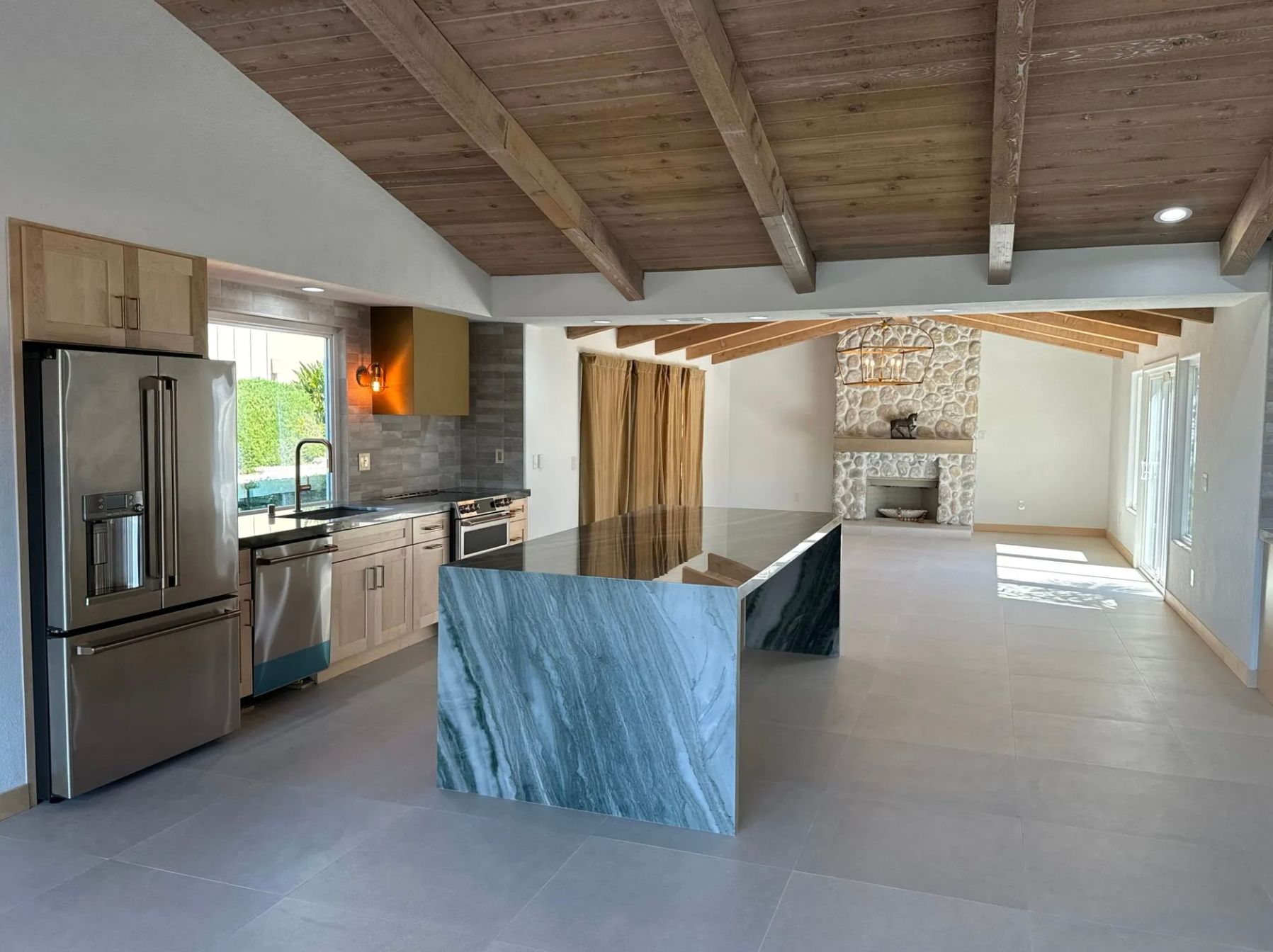
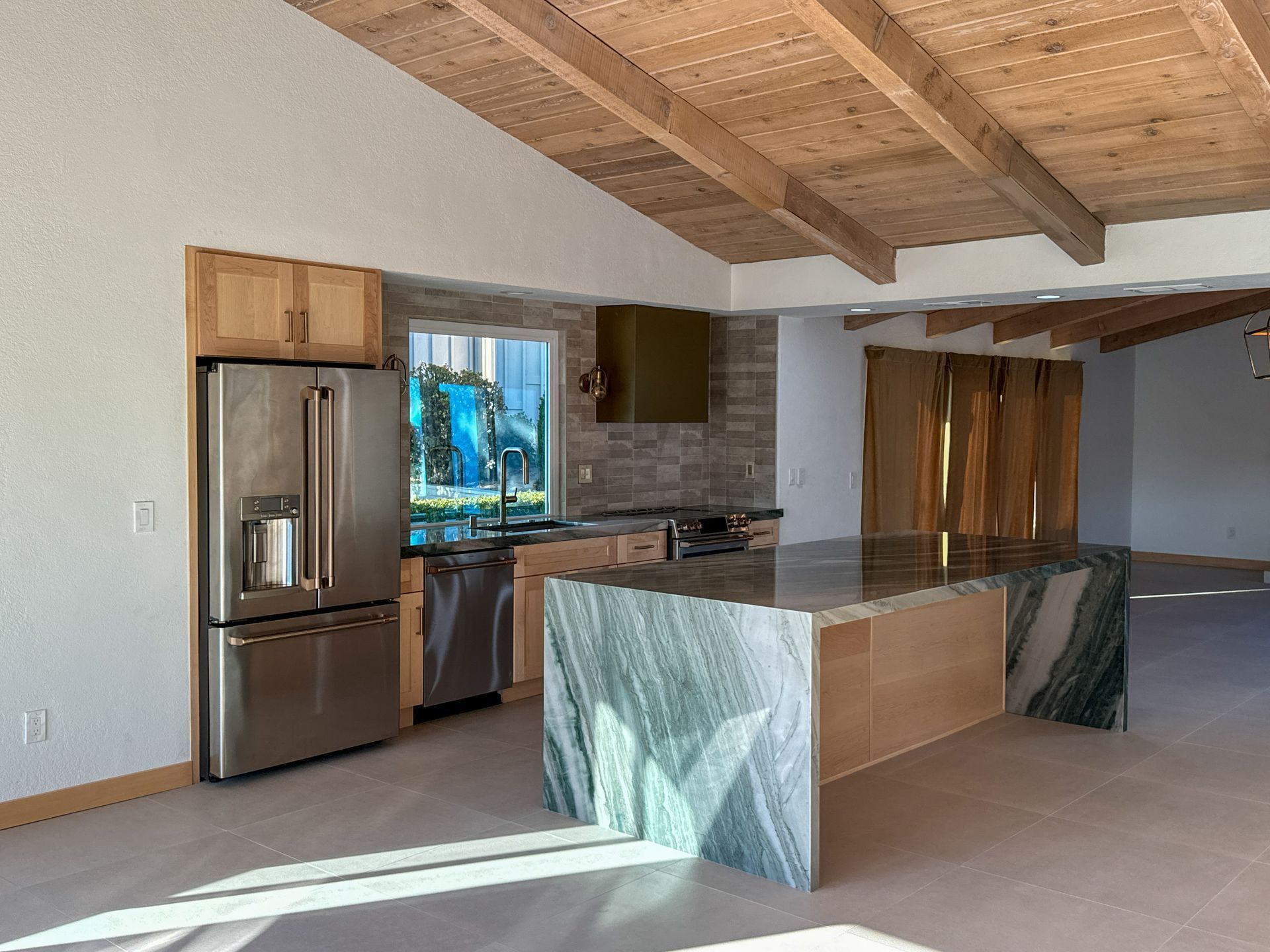
Quartzite is a natural metamorphic rock that forms when sandstone is subjected to heat and pressure. It shares a name with engineered quartz but is a completely different material. Quartzite is known for its striking veining and depth of color, offering a luxurious look that is unique to each slab. No two pieces are exactly alike, which adds character to a kitchen.
In terms of durability, quartzite is extremely hard and resistant to scratching. It can withstand daily kitchen activity, including cutting and chopping, though we still recommend using cutting boards to protect the surface. The material is dense, which helps it resist stains, but it is still a natural stone and requires proper care.
Unlike quartz, quartzite is porous and requires sealing. We typically recommend sealing the surface upon installation and then resealing it periodically. The frequency depends on the specific type of quartzite and how it is used. A simple water test can help you determine when it is time to reseal, ensuring the stone remains protected against spills.
Related: Kitchen.
Granite: A Timeless Choice
Granite has been a staple in kitchen design for decades due to its durability and wide variety of colors. It is an igneous rock formed from cooled magma, resulting in a speckled or crystalline appearance. The natural variation in granite is a key feature, with each slab displaying unique patterns and color shifts that bring warmth to a space.
Granite is hard and resistant to scratching, making it a practical choice for busy kitchens. It can handle the wear and tear of daily use, including the placement of hot cookware, better than many other materials. However, like quartzite, granite is a natural stone that is porous and requires sealing to prevent stains from liquids like wine, oil, or coffee.
Maintenance for granite involves regular sealing and gentle cleaning with mild soap and water. We advise avoiding harsh chemicals or abrasive cleaners that can damage the sealant or the stone itself. While granite is durable, it is important to treat it with care to maintain its appearance. If you enjoy the character of natural stone and are willing to perform periodic sealing, granite is a solid option.
Porcelain Slab: Modern and Practical
Porcelain slab is a high-tech ceramic material that has gained popularity for its versatility and durability. It is fired at very high temperatures, resulting in a dense, non-porous surface that is highly resistant to stains, scratches, and heat. This makes it a practical choice for kitchens where heavy use is expected, such as those with frequent cooking or entertaining.
The aesthetic range of porcelain is extensive. It can mimic the look of marble, concrete, or even wood, with a high level of detail and consistency. Because it is a manufactured product, the color and pattern are uniform across the slab, which can be beneficial for achieving a specific design vision. We often see porcelain chosen for its modern, clean lines and ease of maintenance.
Porcelain requires no sealing, as it is non-porous. This simplifies maintenance, as spills can be wiped away easily without the risk of absorption. The material is also very hard, making it resistant to chipping and cracking. However, it is important to note that porcelain is brittle compared to natural stone. We recommend proper support and installation techniques to prevent breakage during handling and use.
Making the Right Decision for Your Home
Selecting the right countertop material involves balancing your aesthetic preferences with your daily habits. If you prioritize low maintenance and a uniform look, engineered quartz or porcelain may be the right fit. If you value the unique character of natural stone and are willing to seal it periodically, granite or quartzite could be more appealing. Consider how you use your kitchen and what kind of upkeep you are comfortable with.
We also recommend considering the overall design of your kitchen. The color and pattern of the countertop should complement your cabinetry, flooring, and appliances. In San Diego, where natural light is abundant, lighter colors can help brighten a space, while darker tones can add contrast and drama. We work with you to visualize how each material will look in your specific environment before making a final decision.
Before proceeding with any installation, it is wise to check with your city's building department regarding any local regulations or permits required for your project. While countertop replacement is often a straightforward task, structural changes or electrical work may require inspections. We can help guide you through this process to ensure your remodel is compliant and safe. Taking the time to research and plan will help you achieve a kitchen that is both beautiful and functional.
Frequently Asked Questions
Do I need to seal quartz countertops?
No, engineered quartz is non-porous and does not require sealing. You can clean it with mild soap and water, and it will resist stains without additional treatment. This makes it a low-maintenance option for busy households.
Can I put hot pots directly on granite?
While granite is heat resistant, we recommend using trivets or hot pads to protect the surface. Extreme temperature changes can sometimes cause thermal shock, which may lead to cracking or discoloration over time. Using protective barriers is a simple way to extend the life of your stone.
How often should I seal quartzite?
The frequency of sealing depends on the specific type of quartzite and how it is used. We generally recommend testing the surface with water to see if it beads or absorbs. If it absorbs, it is time to reseal. This may be every one to three years, depending on usage.
Is porcelain easier to install than natural stone?
Porcelain slab is very heavy and brittle, which requires careful handling during installation. While it is durable once installed, the installation process requires precision to avoid breakage. We use specialized tools and techniques to ensure a safe and secure fit for porcelain countertops.
Plan Your Project
Have questions about your home? Call Cali Dream Construction at (858) 434-7166 or send us a message. CSLB License #1054602.
More from our site: Kitchen, Custom Islands, Gallery.