
California Energy Code Basics for Kitchen and Bath Remodels
Understand lighting, ventilation and permitting considerations that can affect your remodel.
Planning a kitchen or bathroom remodel in San Diego County involves more than just picking out new tiles and cabinets. As a licensed general contractor, we often see homeowners surprised by the requirements set by the state energy code. These regulations are designed to ensure that new construction and major renovations meet specific efficiency standards.
Understanding these basics helps you prepare for your project and ensures your remodel meets local standards. We want to walk you through the general areas where these codes apply so you can make informed decisions during your design phase. This guide covers the essential elements of energy efficiency that we encounter during our remodeling work.
Understanding the Energy Code Framework
The California energy code serves as a set of guidelines for how buildings should function regarding energy use. When we undertake a kitchen or bathroom remodel, these rules come into play to manage how much electricity and gas your home consumes. The goal is to promote sustainability through better design and equipment selection.
These requirements apply to various aspects of your home, from the way your lights turn on to how your air moves through a room. While the code can seem complex, it essentially focuses on reducing waste. By following these standards, your remodeled space becomes more efficient and better integrated with modern building practices.
It is important to remember that local jurisdictions may have specific ways they implement these state-wide standards. We recommend that you check with your city's building department to understand how these rules apply to your specific property. This ensures that your plans align with what the local inspectors expect to see during the process.
High-Efficacy Lighting Requirements
One of the most visible parts of the energy code involves lighting. In both kitchens and bathrooms, the code requires the use of high-efficacy lighting. This means the bulbs and fixtures you choose must provide a certain amount of light while using a minimal amount of electricity. This shift away from older, less efficient technology is a core part of the energy code.
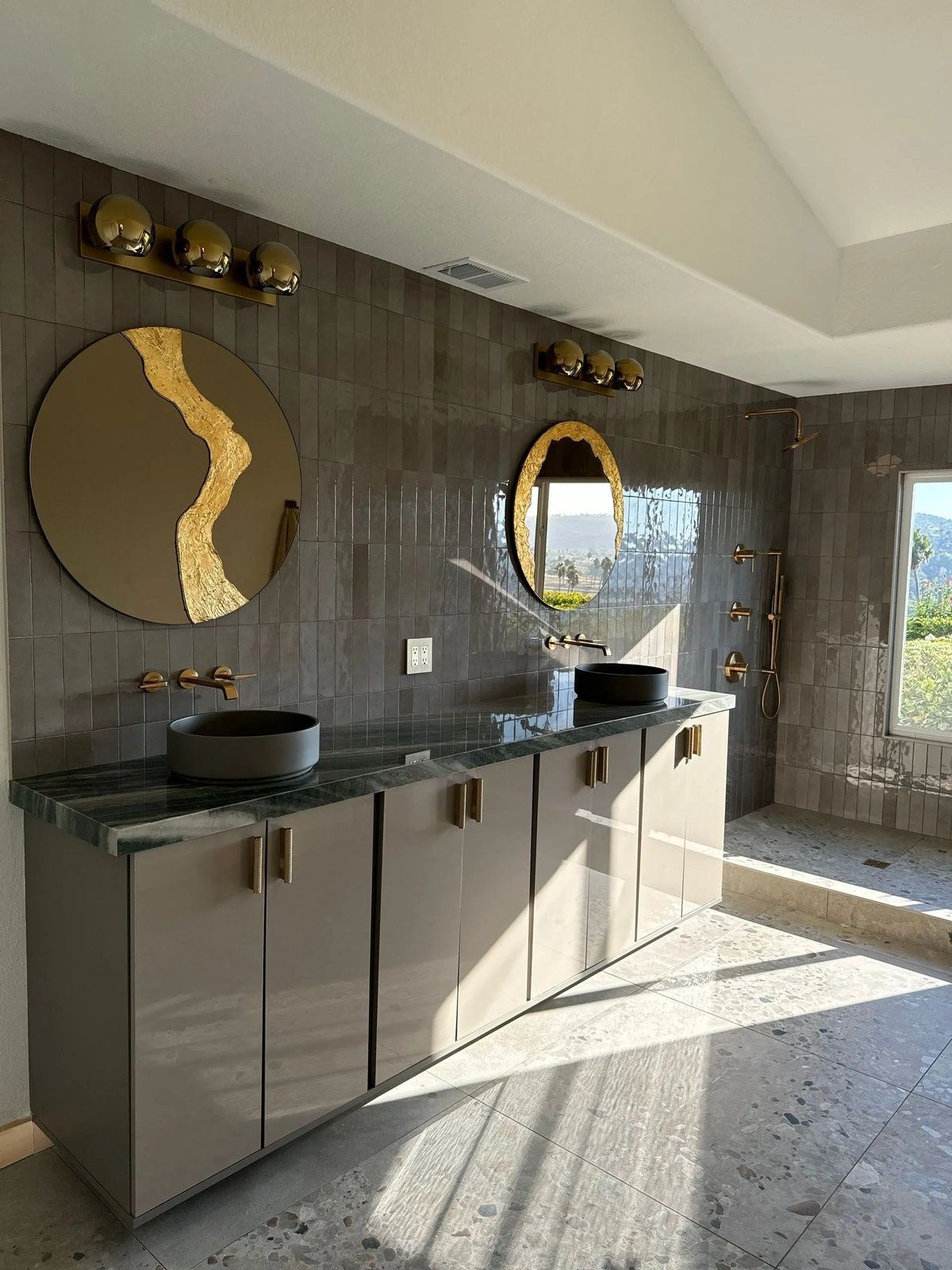
We look for lighting solutions that meet these efficiency standards during the planning phase. This includes recessed lighting, under-cabinet lights in the kitchen, and vanity lights in the bathroom. Choosing the right technology early on prevents the need to swap out fixtures later to meet compliance requirements.
Beyond just the bulbs, the code also addresses how lighting is controlled. You might find that your remodel includes sensors or switches that help manage light usage. We suggest checking with your city's building department to see if there are specific requirements for dimmers or occupancy sensors in your area.
Related: Kitchen.
Ventilation and Air Quality
Ventilation is a critical component of both kitchen and bathroom remodels. In a kitchen, the exhaust fan removes heat, steam, and cooking odors. In a bathroom, the fan manages moisture to prevent mold and mildew. The energy code includes standards for these fans to ensure they work effectively without consuming excessive power.
When we select ventilation equipment, we consider the airflow capabilities and the energy draw of the motor. The code often requires that these fans be able to move a certain amount of air to maintain a healthy indoor environment. This is a key part of keeping your home comfortable and protecting your new surfaces from moisture damage.
The way these fans are integrated into your electrical system is also part of the compliance check. Some requirements may involve how the fan is triggered or how it interacts with other systems in the house. You should check with your city's building department regarding the specific ventilation standards for your remodel.
The Role of Permits and Documentation
Obtaining a permit is a necessary step for any major kitchen or bathroom remodel. The permit process is not just about safety; it is also about verifying that your project follows the energy code. When we submit plans for a permit, we include details about the lighting, ventilation, and other energy-related components.
The documentation we provide helps the building department understand how your remodel will meet the required standards. This includes specifying the types of fixtures and appliances being installed. Having this information ready during the design phase helps prevent delays in the approval process.
Following the permit process ensures that your project is documented correctly within the local building records. This is important for future homeowners or for any future work done on the property. We always encourage homeowners to check with your city's building department to confirm all necessary paperwork is in order.
The Inspection Process and Compliance
Once the work is underway and nearing completion, the inspection phase begins. A building inspector will visit your home to verify that the installation matches the approved plans. They will specifically look at the energy-related items, such as the lighting controls and the ventilation fans we discussed.
During these inspections, the inspector checks that the high-efficacy lighting is installed correctly and that the controls function as intended. They also verify that the ventilation systems meet the required airflow and electrical standards. This step is vital to ensure the project is fully compliant with the energy code.
If an inspector finds that something does not meet the code, it will need to be corrected before the project can be finalized. This is why we focus on following the guidelines from the very beginning of the remodel. To avoid surprises, you can always check with your city's building department about what they look for during inspections.
Frequently Asked Questions
Does the energy code apply to small bathroom remodels?
Yes, the energy code applies to most remodels that involve electrical or mechanical changes. Even small updates to lighting or ventilation must meet the efficiency standards set by the state.
Can I choose any lighting fixture I like?
You can choose fixtures that fit your style, but they must meet high-efficacy requirements. We work to find options that match your aesthetic while remaining compliant with the energy code.
Why is ventilation so important in the energy code?
The code regulates ventilation to ensure proper air exchange and moisture control. This helps maintain indoor air quality and prevents energy waste through inefficient fan operation.
How do I know if my project needs a permit?
Most kitchen and bathroom remodels require permits to ensure they meet safety and energy standards. We recommend that you check with your city's building department to confirm the requirements for your specific project.
Plan Your Project
Have questions about your home? Call Cali Dream Construction at (858) 434-7166 or send us a message. CSLB License #1054602.
More from our site: Kitchen, Bathroom Remodel, Full Home Remodeling Renovations.